In markdown, we want to render a JSON schema as a table, which could be done via JSON schema viewer.
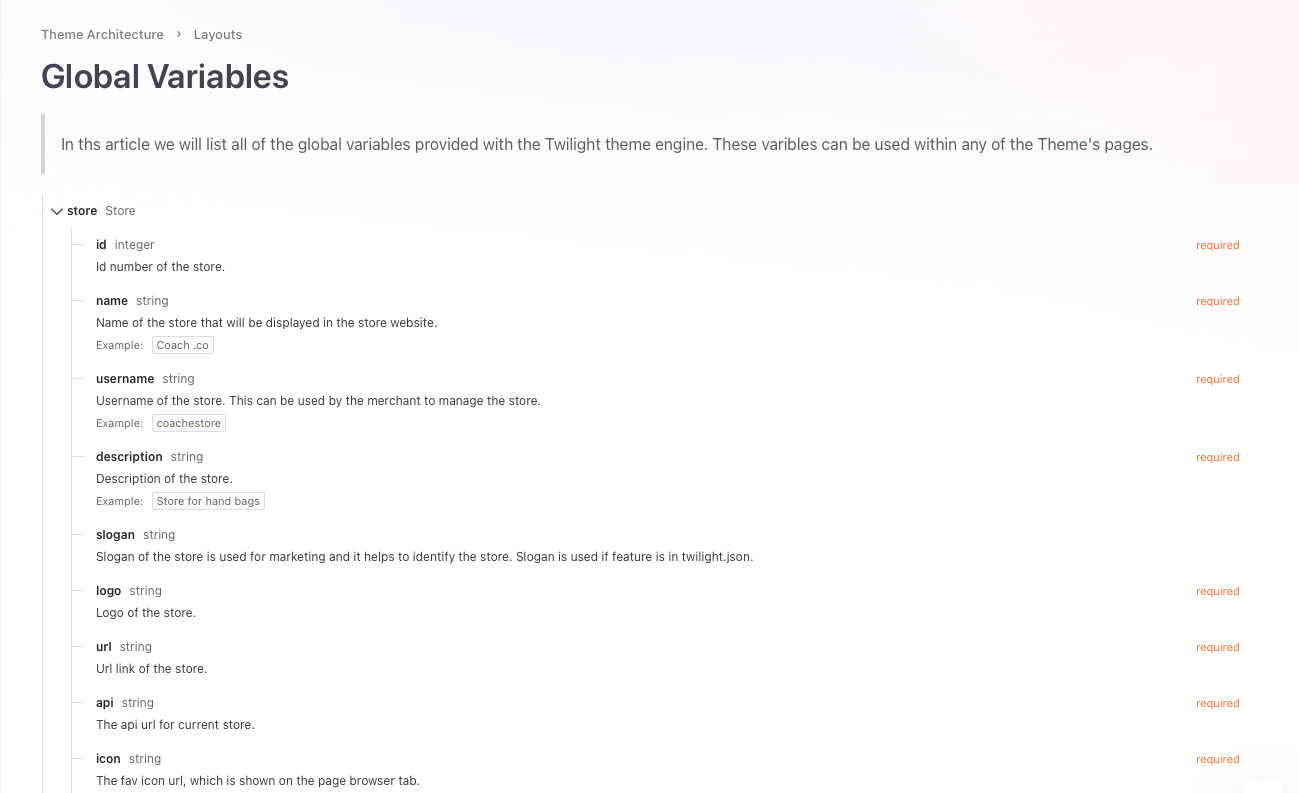
This feature is already planned and is expected to be supported in the version by the end of this month
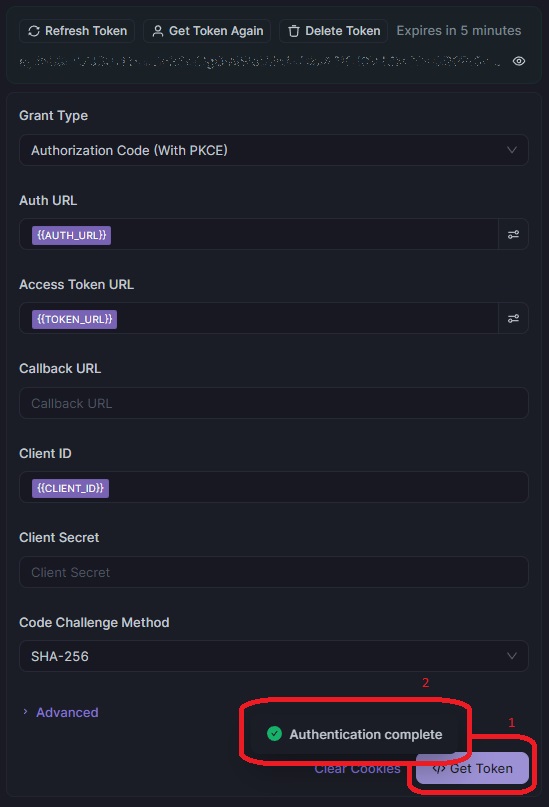
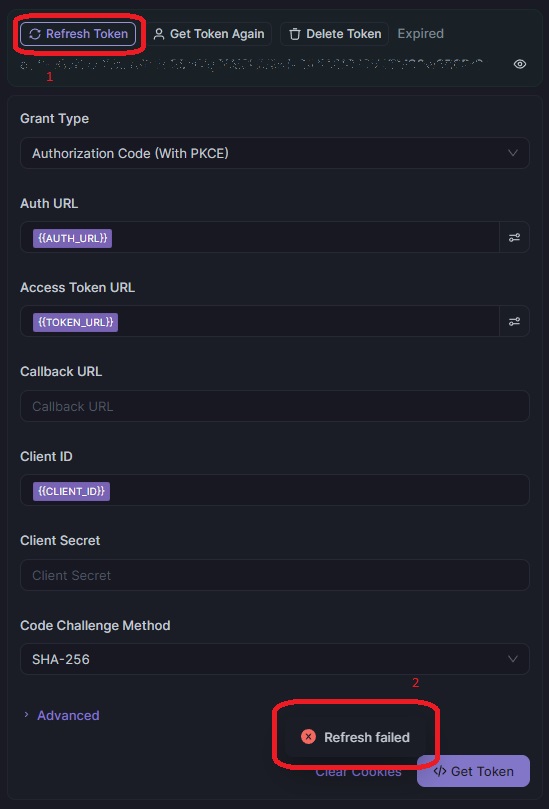
When using an environment variable in the “Client Id” field of the form to retrieve a JWT authentication token via the refresh token, the variable name is sent instead of its value. Note that the classic JWT retrieval works correctly, and the client ID is sent properly.
Steps to Reproduce:
- Open Apidog and go to the Auth form.
- Enter an environment variable (e.g., {{CLIENT_ID}}) in the “Client Id” field.
- Initiate the token retrieval process using the refresh token.
- Observe the request sent to the server.
Expected Result: The value of the environment variable {{CLIENT_ID}} should be substituted and sent in the “Client Id” field.
Actual Result: The name of the environment variable {{CLIENT_ID}} is sent instead of its value.
Additional Information: The following log entry from Keycloak confirms the issue, showing that the environment variable name was sent instead of the actual client ID:
WARN [org.keycloak.events] (executor-thread-40) type="REFRESH_TOKEN_ERROR", realmId="***********", realmName="master", clientId="{{CLIENT_ID}}", userId="null", ipAddress="***.***.***.***", error="client_not_found", grant_type="refresh_token"
Environment:
- Operating System:
- Windows 11
- MacoOS 13
- Apidog Version: 2.6.4
Version 2.5.5 of Apidog is now available, introducing support for adding references to data schemas.